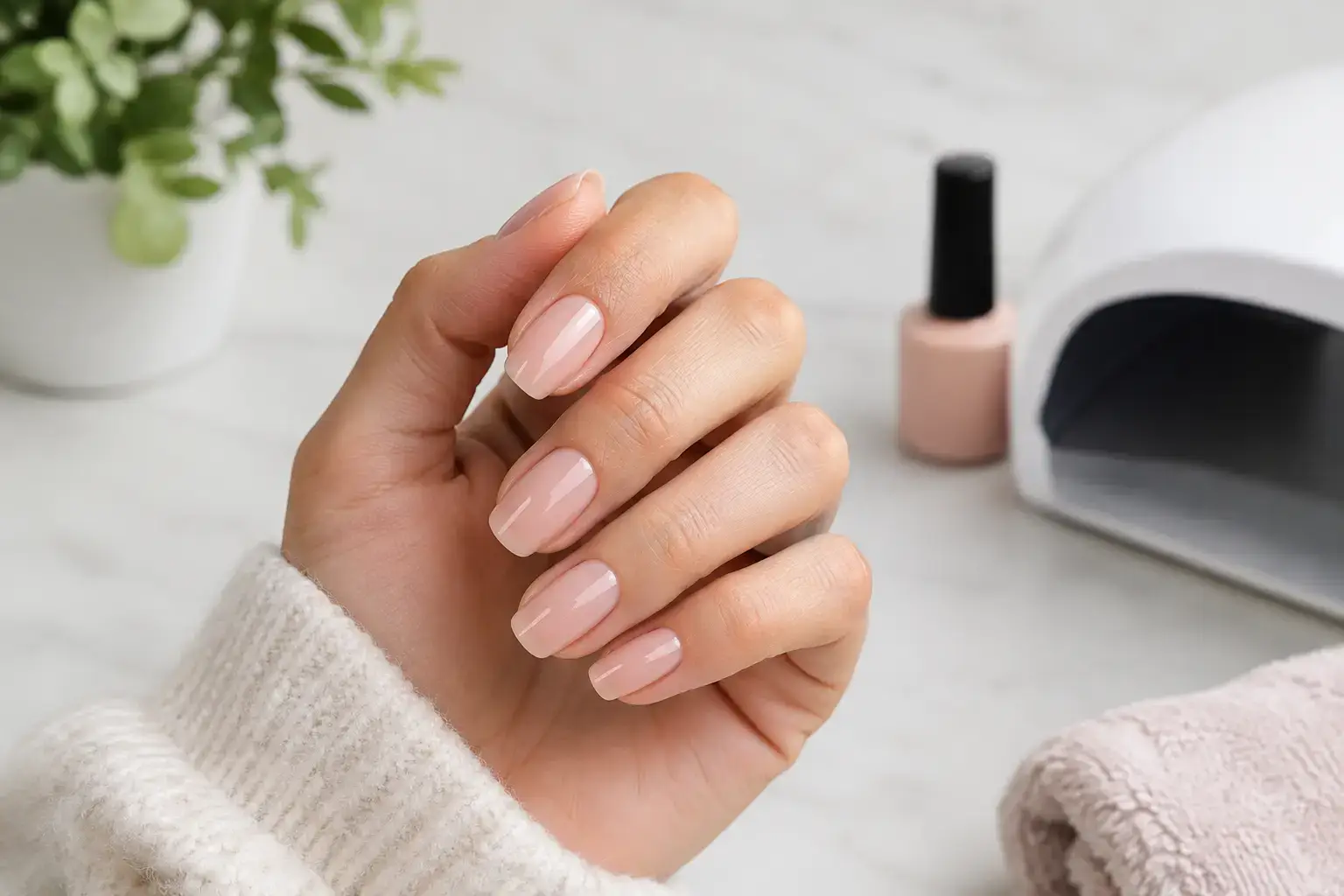
A fresh gel manicure has a particular kind of confidence: glassy color, a perfectly clean cuticle line, and nails that look finished before you have even reached for your jewelry. If you are wondering, “how long does gel manicure last?” the short answer is usually two to three weeks. The more useful answer is that your preparation, nail growth, daily routine, and removal habits all have a say in how long that polished look stays flawless.
For most clients, gel is the sweet spot between elevated beauty and real-life wear. It is durable enough for busy weeks, dinners out, travel, and special events, yet refined enough to feel like your own nails at their best.
How Long Does a Gel Manicure Last in Real Life?
A professionally applied gel manicure typically lasts 14 to 21 days before it is time for removal or a fresh set. Some clients see beautiful wear beyond the three-week mark, especially with a shorter nail shape and a low-impact routine. Still, longevity is not the only reason to refresh your manicure.
As your natural nails grow, a visible space develops near the cuticle. Even when the color still looks glossy, that grow-out can make a manicure feel less polished. Waiting too long can also increase the chance of catching an edge, which may lead to lifting or peeling.
For a clean, intentional finish, many clients schedule their next gel manicure at the two- to three-week mark. If you are preparing for a wedding, vacation, photo session, or a week when you want every detail handled, booking your appointment one to two days beforehand gives you the freshest possible result.
What Makes Gel Last Longer or Peel Early?
Gel polish is cured under a professional lamp, creating a glossy, durable coating that holds up better than traditional polish. But gel is not indestructible. Its staying power depends on the condition of the natural nail and what happens after you leave the studio.
Preparation creates the foundation
A lasting gel manicure begins before color is ever applied. The nail plate needs to be carefully cleansed and prepped so the product can adhere evenly. Cuticle work matters, too. Gel applied over excess cuticle or surface oils is more likely to lift early, even if the color is applied beautifully.
This is where precise technique changes the entire experience. Rushing prep can shorten the life of a manicure. Thorough, thoughtful prep creates a clean canvas and helps the gel remain smooth and secure as your hands move through daily life.
Your nail length and shape matter
Short to medium-length nails tend to wear gel especially well because they are less likely to bend, hit hard surfaces, or catch on clothing. Longer natural nails can absolutely wear gel beautifully, but they need a little more care. If your nails flex easily, a structured gel or strengthening enhancement may be a better choice than gel polish alone.
Shape can make a difference as well. A softly rounded, oval, or squoval shape often feels practical for everyday wear. Sharp corners on a square shape may be more vulnerable if you are frequently typing, opening packages, or working with your hands.
Water, cleaning products, and daily habits count
Hot water and cleaning chemicals are not a gel manicure’s favorite companions. Long baths, frequent dishwashing, pool time, and household cleaners can gradually weaken the seal around the free edge and cuticle area. That does not mean you need to avoid living your life. It simply means small protective habits pay off.
Wear gloves when cleaning or washing dishes, and avoid using your nails as tools. Popping a can tab, scraping off a label, prying open a box, or picking at a tiny lifted corner can turn one small issue into a full chip. Your nails deserve better than being promoted to hardware.
Natural nail health changes the result
If your nails are thin, peeling, or recovering from previous damage, gel may not wear the same way it does on a strong, healthy nail plate. Flexible nails can cause the cured gel to flex and separate at the edges. A personalized service plan can help, whether that means a strengthening base, a structured overlay, a shorter length, or a restorative break between appointments.
Signs It Is Time for a Fresh Gel Manicure
Do not wait for major chips to decide your gel manicure has reached the end of its run. The best time to refresh is usually when it still looks mostly good, but no longer feels perfectly finished.
You may be ready for your next appointment when there is noticeable grow-out at the cuticle, the free edge has started to wear down, the shine has dulled, or you see lifting around the sides. Lifting is especially worth addressing promptly. Water and debris can collect underneath a lifted area, and picking at it can pull away layers of your natural nail.
There is also the simple matter of style. Two weeks can feel like a long time when you have a new season, celebration, or outfit mood in mind. A fresh color or custom design is more than maintenance. It is a small reset that can make the rest of your look feel considered.
How to Make Your Gel Manicure Last Up to Three Weeks
The best aftercare is simple, consistent, and kind to your hands. Apply cuticle oil daily, ideally before bed. Hydrated cuticles and nails are more flexible, which helps reduce brittleness and keeps the manicure looking cared for between appointments.
Use hand cream after washing your hands, but avoid soaking your nails for long periods. Gloves are worth keeping near the sink and cleaning supplies. If you notice the tiniest lifted edge, resist the urge to peel it. Contact your nail artist instead, especially if it happens soon after your service.
Your removal appointment matters just as much as your application. Never peel off gel at home, even when it seems tempting. Peeling can remove superficial layers of the natural nail along with the product, leaving nails rough, thin, and more prone to future breakage. Proper removal is patient, gentle, and protective of the nail underneath.
Gel Polish, Structured Gel, and Acrylic: Choosing for Your Lifestyle
Gel polish is ideal when you want natural-looking nails with lasting color and shine. It is an elegant choice for clients whose nails are generally healthy and who prefer a lightweight finish. It does not add dramatic length or substantial structure, though it can make everyday nails feel far more polished.
Structured gel adds support and can be a beautiful option for nails that need extra strength. It may suit clients who experience peeling, flexibility, or breakage but still want a natural-looking manicure. Acrylic or a full enhancement set may be the better fit when you want significant length, a bolder shape, or maximum structure for nail art and high-impact styling.
There is no single “best” choice. The right service depends on your natural nails, desired length, work and home routine, and how you want your hands to look and feel. A detailed consultation should make that choice feel personal, not prescriptive.
When Gel May Not Last as Long
Sometimes gel lifts early despite careful application and excellent aftercare. Hormonal changes, certain medications, frequent hand washing, oily nail plates, and repeated exposure to chemicals can all affect adhesion. If this happens occasionally, it may simply be a one-time wear issue. If it happens repeatedly, it is worth adjusting your service rather than assuming gel is not for you.
A different base, more structure, a shorter shape, or a revised prep approach can make a meaningful difference. At Make Your Luke, that kind of detail is part of the appointment experience: listening closely, studying what your nails need, and creating a finish designed for your real routine.
A gel manicure should carry you through your days with shine, strength, and the quiet pleasure of looking down at hands that feel put together. Refresh it before lifting becomes damage, treat your natural nails gently, and let your next color be something you are excited to show off.